How Butterflies Find Flowers Using Color, Scent, and Sunlight
Learn how butterflies find flowers using color, scent, sunlight, and memory, and why these delicate pollinators are more skilled than they first appear.
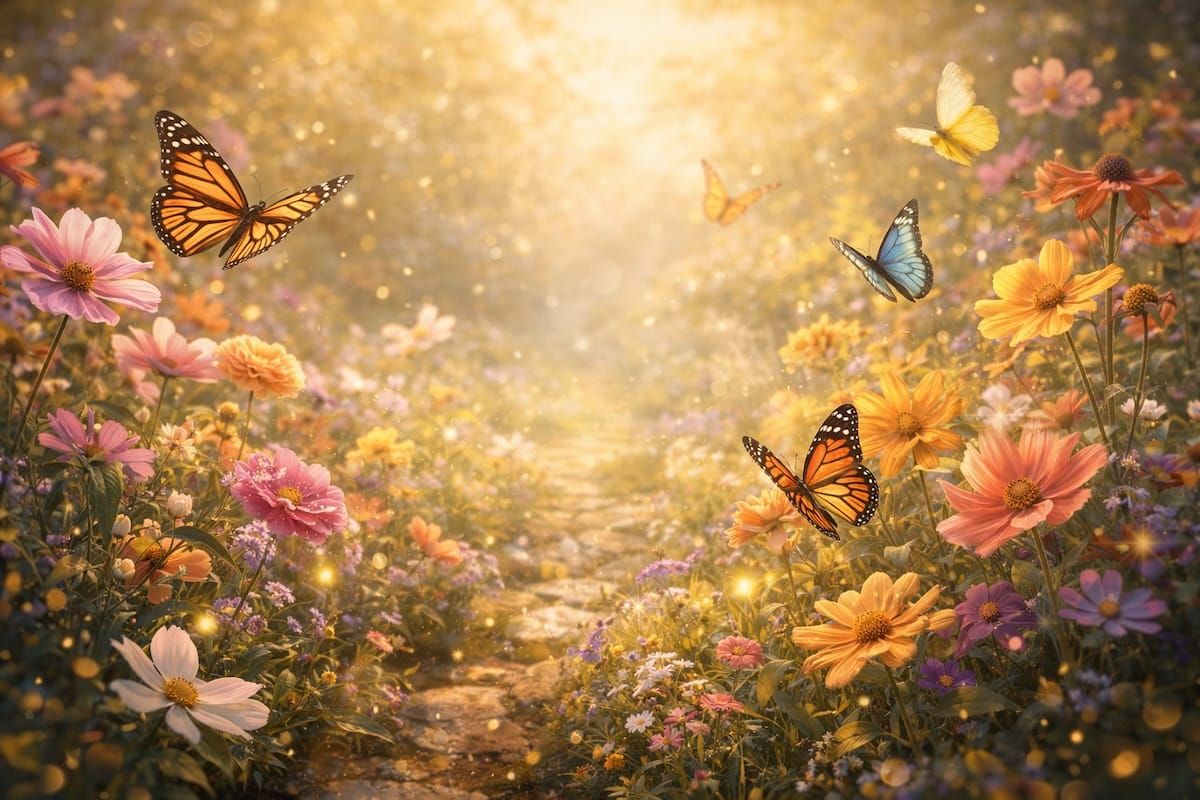
Butterflies can make flower-finding look effortless.
They drift across a garden, hesitate for a moment, then settle exactly where they need to be. To us, it can look almost random, as if they are simply floating from bloom to bloom according to whim. But in reality, butterflies are using a surprisingly effective mix of visual cues, scent, timing, memory, and environmental awareness to locate the flowers that can feed them.
This is one of the loveliest examples of how beauty in nature is often built on practical skill.
A butterfly is not visiting flowers just because they are pretty. It is searching for nectar, energy, and sometimes even specific types of habitat that support different stages of its life cycle. The bright movement we enjoy in a garden is part of a much larger ecological relationship between insects and flowering plants.
And the more closely we look, the more impressive that relationship becomes.
If you have enjoyed posts like The Secret Lives of Fireflies, this subject belongs in that same category of small natural wonders that reveal far more than they first seem to.
Why Butterflies Need Flowers
Adult butterflies rely heavily on nectar for energy.
Nectar is a sugar-rich liquid produced by flowers to attract pollinators. For butterflies, it provides fuel for flight, movement, reproduction, and daily survival. Since butterflies can travel through large spaces in search of food, finding the right flowers efficiently matters.
Not all flowers are equally useful to them.
Some blooms produce more nectar. Some are easier to land on. Some have shapes that work better with a butterfly's long feeding tube, called a proboscis. Others open at the wrong time of day or offer fewer rewards.
This means butterflies are not simply looking for "any flower." They are often seeking the kinds of blooms most likely to meet their needs.
Butterflies Use Color First
One of the main ways butterflies find flowers is through sight.
Butterflies have excellent vision, and color plays a major role in how they locate nectar sources. Many species are especially drawn to bright colors such as red, orange, yellow, pink, and purple. These colors stand out strongly in natural settings and can signal the presence of nectar-rich blooms.
This is one reason butterfly gardens are often full of vivid flowers.
Plants that rely on butterfly pollination have often evolved visual qualities that help attract attention. Bright petals, open landing spaces, clustered blossoms, and strong contrast all make flowers easier for butterflies to spot while flying.
In some cases, butterflies can also see wavelengths of light beyond what humans notice, including ultraviolet patterns on petals. These hidden markings may help guide them toward the center of the flower, where nectar is available.
So while we may admire a bloom for its beauty, a butterfly may be reading it more like a signal.
Scent Matters Too
Color may catch a butterfly's attention first, but scent can help confirm whether a flower is worth visiting.
Flowers release chemical compounds into the air, and these scents can help pollinators distinguish one kind of bloom from another. While butterflies are often thought of as visual feeders, smell still plays an important role in helping them identify rewarding flowers.
This is especially useful when many flowers are blooming close together.
A bright patch of color may attract a butterfly from a distance, but once it comes closer, scent helps fine-tune the decision. Some flowers are more fragrant in warm air or at certain times of day, which means a butterfly's experience of a garden may change as light and temperature shift.
That is part of what makes pollinator behavior so interesting. What looks simple from a distance is often made up of multiple layers of decision-making.
Sunlight Helps Butterflies Stay Active
Butterflies are strongly influenced by sunlight.
Unlike mammals, butterflies do not produce their own body heat in the same way. They depend on external warmth to become active enough for flight. That is why butterflies are often most visible on sunny days and tend to rest more in cool, cloudy, or damp conditions.
Sunlight helps in two major ways.
First, it warms the butterfly's body so it can fly efficiently.
Second, it affects the flowers themselves. Light changes how flowers open, how warm they become, and how strongly they release scent. It can also influence nectar production and how visible blooms are across a landscape.
So when butterflies seem especially active in bright morning or midday light, they are responding not only to their own need for warmth, but also to the changing availability of floral cues.
Flower Shape Makes a Difference
Not every flower is equally accessible to every pollinator.
Butterflies tend to prefer flowers that give them a stable place to land and a floral structure their proboscis can reach easily. Flat-topped flower clusters, daisy-like blooms, and tubular flowers with accessible nectar are often especially attractive.
This is one reason plants such as lantana, zinnias, coneflowers, butterfly bush, and milkweed are so commonly associated with butterfly gardens. They combine visibility, accessibility, and nectar in ways that suit butterfly feeding behavior.
From the butterfly's point of view, a useful flower is not just attractive. It is practical.
That practical side of beauty appears all across nature, especially in the way small natural details reveal much bigger ecological relationships.
Butterflies Learn and Remember
Butterflies do not move through the world as blank instinct alone.
Research suggests they can learn from experience and remember rewarding flower sources. If a particular color, scent, or type of flower consistently provides nectar, a butterfly may return to similar flowers again.
This kind of learning helps make feeding more efficient.
Instead of treating every flower as a complete mystery, butterflies can build useful associations over time. That means a garden with reliable nectar plants may become especially attractive because it offers predictable rewards.
For anyone hoping to welcome more butterflies, this is encouraging. Consistency matters. A thoughtfully planted space can become part of a butterfly's known feeding world.
Why Butterflies Visit Some Gardens and Ignore Others
People sometimes plant a few flowers and then wonder why butterflies still seem scarce.
The answer is that butterflies are responding to more than individual blooms. They notice the overall quality of habitat.
A butterfly-friendly space often includes:
- bright nectar flowers
- sunny areas for warming up
- shelter from heavy wind
- host plants for caterpillars
- a sequence of blooms across the season
- fewer pesticides
Without these things, a garden may look attractive to us but offer limited value to butterflies.
This is especially important because butterflies need more than feeding stations. They also need places to lay eggs and support the larval stage of their life cycle. A truly supportive garden welcomes the whole butterfly story, not just the prettiest part.
Why Butterflies Matter as Pollinators
Butterflies are not as efficient as bees in every pollination task, but they still matter.
As they move from flower to flower, they carry pollen and help support plant reproduction. They are part of the broader network of pollinators that keeps many ecosystems functioning. Their presence can also be a sign of healthy habitat, seasonal balance, and plant diversity.
Because butterflies are so visible and beloved, they often help people notice pollinator relationships more broadly. A child may first fall in love with butterflies, then begin caring about flowers, gardens, bees, birds, and habitat protection more generally.
That emotional connection matters. Wonder often leads to stewardship.
If your readers enjoy that bridge between beauty and care, they may also like browsing the site's Wildlife & Nature section for more posts in the same spirit.
How to Make a Garden Easier for Butterflies to Find
If you want butterflies to find your flowers more easily, the best strategy is to make the signals clear.
That can include:
- planting flowers in visible clusters rather than isolated singles
- choosing bright nectar-rich blooms
- including plants with varied flowering times
- creating sunny open areas
- reducing harsh chemicals
- adding host plants such as milkweed where appropriate
Butterflies are more likely to visit a space that is easy to see, easy to land in, and rewarding to return to.
This does not require a huge garden. Even a small patch with the right mix of color, warmth, and nectar can become valuable.
More Than a Pretty Visit
The next time you see a butterfly pause over a flower, it is worth remembering that you are watching more than a decorative garden moment.
That butterfly is reading color, noticing scent, responding to warmth, testing structure, and making decisions based on both instinct and experience. What seems delicate is also highly skilled.
This is one of the reasons butterflies continue to fascinate people. They make ecological intelligence look graceful.
Their flight may feel light and effortless, but it is carrying out important work in the life of a landscape.
Flowers and butterflies are part of an ongoing conversation shaped by evolution, need, and attraction. One offers nectar, color, and landing space. The other brings movement, attention, and pollination.
And somehow, in the middle of all that practical exchange, there is still beauty.
That may be one of nature's most reliable patterns: the things that delight us often have deeper reasons for being exactly as they are.