Why Spending Time in Nature Improves Focus, Mood, and Creativity
Discover why spending time in nature can improve focus, lift mood, and support creativity in ways that feel both simple and deeply restorative.
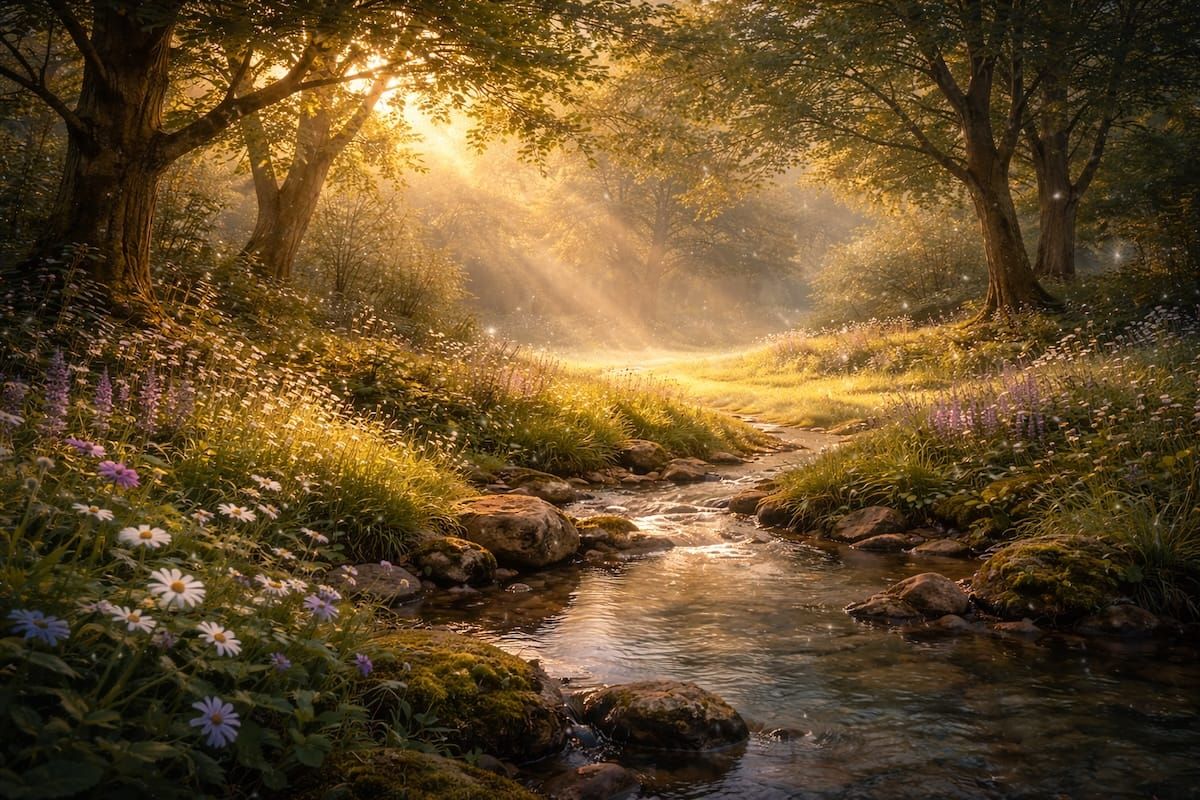
Most people do not need a scientific study to tell them that nature helps.
You can often feel it within minutes. A walk under trees quiets mental noise. Time near water softens stress. A garden, a park, a trail, or even a few quiet moments outside can make the mind feel less crowded than it did before. Problems do not always disappear, but they often become easier to carry.
That experience is so common that many of us treat it as obvious. Nature calms people down. Nature clears the head. Nature helps us breathe more easily, think more steadily, and feel more like ourselves again.
But what is especially interesting is that this feeling is not only emotional or poetic. There are real reasons time in nature can improve focus, mood, and creativity.
Natural environments affect attention differently from highly stimulating spaces. They reduce certain forms of mental strain. They encourage sensory balance. They create room for reflection without demanding constant reaction. In a world where many people feel mentally overloaded, that matters more than ever.
If you have enjoyed posts like Why Quiet Nature Walks Matter More Than Ever in a Busy World or How Wonder in Nature Helps Us Feel More Connected to the World, this article belongs naturally in that same thoughtful part of the site.
Nature Gives Tired Attention a Chance to Recover
Modern life asks a great deal from our attention.
Screens flash. Messages arrive. Notifications interrupt. Traffic, noise, schedules, and constant decision-making all compete for mental space. This kind of focused attention is useful, but it is also tiring. When we use it all day without enough rest, the mind can start to feel scattered, irritable, or dull.
Nature affects attention differently.
Instead of forcing the brain to filter endless urgent input, natural settings often invite a softer kind of awareness. Leaves moving in wind, birdsong, shifting light, cloud movement, and water ripples are interesting enough to hold attention, but not demanding enough to exhaust it.
This is one reason people often report feeling mentally refreshed after time outdoors. Nature does not always empty the mind. More often, it helps the mind stop straining quite so hard.
Why Nature Can Improve Mood So Quickly
Time in nature often changes mood faster than people expect.
Part of that may be physical. Fresh air, walking, light movement, and daylight can all help regulate the body in ways that support emotional balance. But part of it is also environmental.
Natural places tend to reduce overstimulation.
They usually offer fewer abrupt noises, fewer demands, and fewer reminders of unfinished tasks. Even a small green space can create a sense of separation from pressure. That separation matters. When the nervous system is not constantly bracing for the next interruption, emotion has more room to settle.
Nature also helps by widening perspective.
When people feel trapped in their own thoughts, being outside often reconnects them to something larger and steadier. Trees, clouds, weather, birds, and seasonal change all remind us that life continues beyond our immediate stress. That may sound simple, but it can be deeply grounding.
Why Walking Outside Helps Thinking
There is a reason so many people think better while walking.
Gentle movement helps.
Changing scenery helps.
And outdoor walking often helps most of all.
Walking in nature gives the brain enough rhythm to keep thoughts moving without overwhelming them. Ideas can unfold more naturally when the body is in motion and the environment is not demanding intense concentration. This is especially helpful when someone feels stuck, mentally tired, or creatively blocked.
The effect is not always dramatic in the moment. Sometimes the mind simply loosens. A problem that felt rigid indoors may begin to shift. A sentence comes more easily. A decision feels clearer. A heavy mood becomes less absolute.
That is part of nature's gift. It does not always solve things directly. It creates better conditions for the mind to do its work.
Why Nature Supports Creativity
Creativity needs more than inspiration. It also needs space.
When the mind is overloaded, it becomes harder to make unusual connections, imagine possibilities, or follow quieter ideas. Creativity often emerges not when we push the hardest, but when attention relaxes enough for new thoughts to appear.
Nature is good at creating that kind of room.
Its patterns are rich without being controlling. A tree branch, a changing sky, the movement of insects in a garden, the sound of wind through leaves, or the color shifts of late afternoon all give the imagination something to respond to.
This is one reason artists, writers, teachers, and thoughtful children are often drawn outdoors. Nature does not hand us finished ideas. It helps wake up the part of the mind that notices, wonders, and makes connections.
If you enjoy the more imaginative side of that experience, you may also like Finding Wonder in the Ordinary: Mindfulness in a Miniature World (and Beyond!).
Why Natural Beauty Feels Restorative
Beauty matters more than people sometimes admit.
Natural beauty is not only decorative. It changes experience.
A stand of trees, birds rising at dusk, sunlight through leaves, wildflowers along a path, or the shifting colors of evening sky can create a feeling of quiet restoration that is hard to duplicate in harsher environments. Part of this may be because beauty draws attention without aggression. It invites presence rather than demanding reaction.
That kind of attention can be deeply healing.
We do not have to analyze every beautiful thing for it to help us. Sometimes simply noticing it is enough to soften the day.
Even Small Encounters With Nature Can Help
One of the most encouraging things about this subject is that the benefits of nature do not depend on grand wilderness experiences.
A large forest can be wonderful, but so can:
- a quiet garden
- a morning walk on a neighborhood street with trees
- sitting near birdsong for ten minutes
- tending plants on a porch
- watching clouds from a bench
- visiting a local park
Many people assume nature only "counts" if it is dramatic, remote, or deeply scenic. But everyday contact matters too.
Small moments of green space, fresh air, daylight, and non-digital sensory experience can still change how a day feels. In fact, the more available and repeatable those moments are, the more helpful they may become over time.
Why Children Benefit So Much From Nature
Children often respond to nature with an immediacy adults sometimes lose.
They notice textures, movement, insects, sounds, puddles, leaves, stones, and cloud shapes with a kind of total attention that many grown-ups only recover with effort. That kind of outdoor experience supports curiosity, imagination, and emotional balance in ways that are difficult to fake indoors.
Nature also gives children something increasingly rare: open-ended experience.
Not every moment outside is designed, structured, scored, or explained. A child can wander, observe, invent, and ask questions without the pressure of constant performance. That freedom is good for mood, creativity, and deeper forms of learning.
It is one reason nature appreciation belongs so naturally beside the more imaginative areas of your site, from Fairies to Gallery of the Stars. Wonder and wellbeing are often closely linked.
Why Nature Helps Us Feel More Like Ourselves
Many people describe time in nature in very personal terms.
They say they feel clearer.
They say they feel calmer.
They say they can hear themselves think again.
That language is important because it points to something deeper than simple relaxation. Nature often helps people return to a more balanced internal state. It can reduce the noise around thought and emotion enough for a person to reconnect with their own perspective.
This may be one reason nature feels restorative even when nothing especially dramatic happens. You do not need a major breakthrough outdoors for the time to matter. Sometimes what helps most is simply remembering that your mind does not have to remain in constant overdrive.
Making Nature Part of Ordinary Life
The benefits of nature become most meaningful when they are part of life rather than rare exceptions.
That does not require perfection. It just requires intention.
You might:
- take one short walk outside before starting work
- spend a few quiet minutes in the garden
- choose a park instead of an indoor break space
- leave the phone in your pocket for part of a walk
- notice one seasonal change each day
These are small actions, but they can shift the texture of a week in very real ways.
Nature works best not as another task to optimize, but as a relationship to return to.
A Simple Kind of Help That Matters
Spending time in nature improves focus, mood, and creativity not because it is a magical cure for everything, but because it supports the mind and body in deeply human ways.
It eases overstimulation.
It restores tired attention.
It creates emotional breathing room.
It gives imagination somewhere gentler to move.
And perhaps most importantly, it reminds us that not every form of wellbeing comes from doing more. Sometimes it comes from stepping outside, looking up, slowing down, and letting the world be larger than the pressure we are carrying.
That is a simple kind of help.
But simple help can still be powerful.