A Restful Nature Walk: How to Make Time Outdoors Feel Calm Again
Discover what makes a nature walk feel truly restful instead of rushed, and how pace, attention, and expectation can change the whole experience.
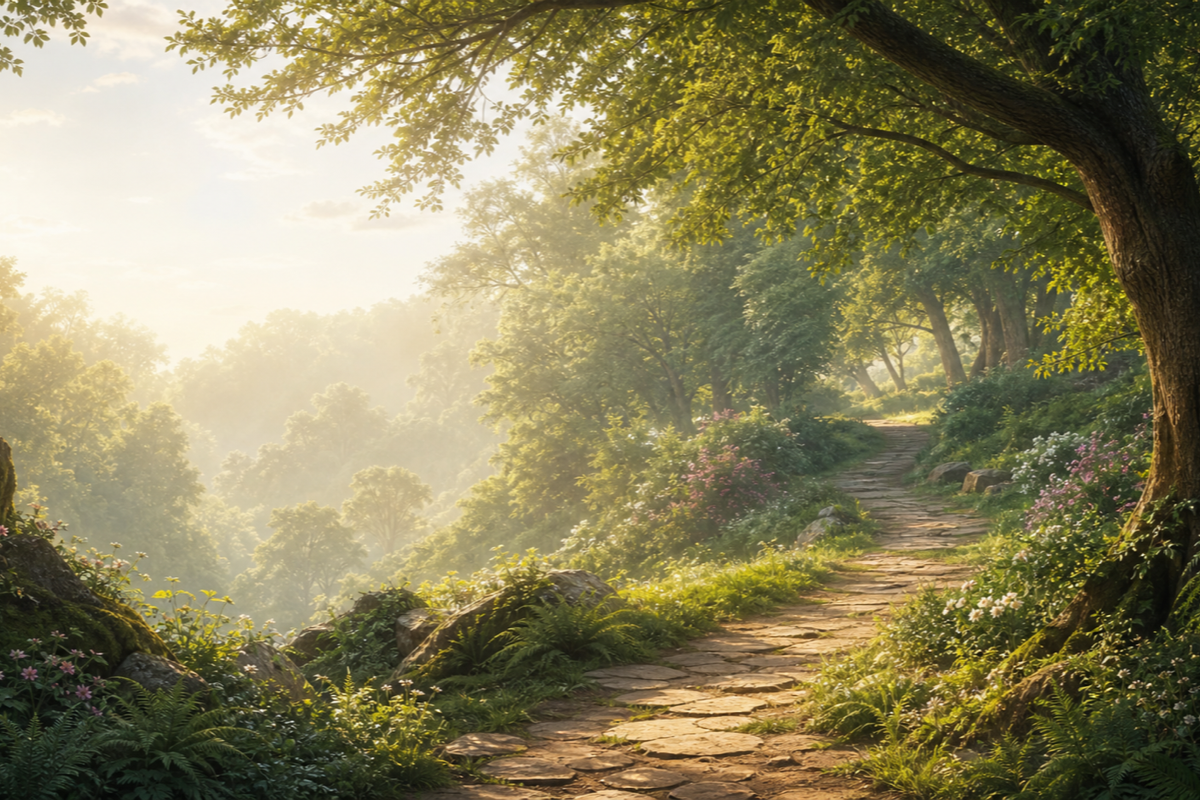
Not all nature walks feel the same.
Some leave us calmer than when we started. Others somehow become one more task to complete. We may return with photographs, steps counted, or a cleared errand from the day, but not with the sense of quiet we were hoping for.
That difference matters.
A truly restful nature walk is not only about being outdoors. It is also about pace, attention, expectation, and the way we allow the landscape to meet us. The same path can feel healing one day and hurried the next depending on how we enter it.
This is important because many people turn to nature precisely for restoration. They want relief from noise, overstimulation, and the constant pressure to keep moving. But if we bring the same frantic mindset into the woods, the garden, or the park, we sometimes miss the very thing we went there to receive.
The good news is that a more restful walk usually does not require a more beautiful trail or a more dramatic destination. It often comes from a few simple shifts in how we move through the natural world.
If you have enjoyed reflective posts like Why Spending Time in Nature Improves Focus, Mood, and Creativity or How Wonder in Nature Helps Us Feel More Connected to the World, this article belongs closely beside them.
A Restful Walk Has a Different Goal
One of the biggest differences between a restful walk and a rushed one is the goal we bring into it.
If the walk is mainly about finishing, tracking, or proving something, we tend to move through it with the same mindset we use for work. We keep measuring. We keep anticipating the next part. We keep asking the walk to deliver a result.
A restful walk is different.
It may still have structure, but its purpose is not primarily efficiency. Its purpose is presence.
That does not mean it must be slow in a performative way. It simply means that the walk is not being treated as one more item to optimize. Instead of asking, "How quickly can I get through this?" the walk begins to ask, "What happens if I actually arrive here?"
That single change can alter the whole experience.
Pace Matters More Than Distance
Many people assume a restorative walk needs to be long.
It does not.
What usually matters more is the pace of attention than the number of steps. A short walk taken gently can be far more restful than a longer walk rushed through with the mind still locked into hurry.
When pace softens, the senses catch up.
You notice the shape of the path.
You hear the birds instead of only background noise.
You see where light falls through leaves or where wind moves differently through tall grass.
These details are not extras. They are often the very things that make a walk restorative.
Rest Comes From Sensory Balance
One reason nature walks can feel so different from indoor or urban movement is sensory balance.
Natural spaces often provide enough variety to keep us engaged without overwhelming us. There is movement, sound, texture, color, and shifting light, but it usually arrives in patterns that feel absorbable rather than aggressive.
This is very different from environments full of traffic, alerts, bright screens, and abrupt interruption.
When a walk feels restful, it is often because the senses are being invited rather than crowded. Leaves rustle instead of blare. Birdsong layers instead of collides. The air changes gently across shade and sunlight. Even silence outside tends to feel textured rather than empty.
That kind of sensory experience helps the nervous system settle.
The Best Walks Leave Space for Noticing
A rushed walk tends to flatten the world.
Everything becomes scenery passing by while the mind stays elsewhere.
A restful walk leaves room for noticing. This does not require elaborate mindfulness techniques or a grand spiritual mood. It simply means allowing small details to matter.
You notice the smell of damp soil after rain.
You notice the difference between open path and shaded path.
You notice a bird call that repeats from one side of the trail.
You notice how a familiar route has changed since last week.
This is one reason restful walking often feels richer than expected. The walk may not be more dramatic, but it becomes more alive because our attention is actually participating.
Why Expectation Can Ruin Rest
Sometimes a walk feels rushed because we have brought too many expectations with us.
We expect to feel instantly calm.
We expect to have a breakthrough.
We expect beauty to arrive on schedule.
We expect the walk to "work."
That pressure can quietly interfere with rest.
A more restful walk often begins when we stop demanding a specific emotional payoff. Instead of asking the path to fix us, we let it accompany us. Sometimes the shift is immediate. Sometimes it takes twenty minutes. Sometimes the rest appears afterward, once the body has had time to absorb the walk more fully.
Nature tends to work best as relationship rather than performance.
Companionship Changes the Mood Too
Who we walk with matters.
Some walks are restful because of solitude. The absence of conversation gives the mind room to spread out and settle. Other walks are restful because they are shared with someone who does not need constant talking, proving, or pace-setting.
The key is not necessarily being alone. It is being with a mode of presence that allows rest.
A rushed companion can make a peaceful trail feel like a chore. A calm companion can make even a short park walk feel grounding.
This is true with children too. Children can sometimes slow adults down in frustrating ways, but they can also restore the noticing that adults have lost. A child who stops for stones, insects, birds, or interesting shadows may interrupt efficiency, but also deepen experience.
That kind of wonder belongs naturally beside the imaginative spaces of your site, including Fairies and Gallery of the Stars, where attention itself becomes part of the enchantment.
Restful Walks Usually Include a Little Unstructured Time
The most restorative walks often contain moments that are not tightly directed.
Maybe you pause by water.
Maybe you sit on a bench for a few minutes.
Maybe you take the slower loop instead of the shortest one.
Maybe you stop looking for the "best" part of the walk and allow the ordinary parts to count.
Unstructured time matters because it softens the sense of forward pressure. The walk becomes less about getting somewhere and more about being somewhere.
That shift can feel surprisingly important, especially for people whose days are full of schedules and demands.
Why Familiar Paths Can Still Be Restful
People sometimes think a nature walk needs novelty to feel meaningful.
But familiar paths can be deeply restful too.
In fact, familiarity often helps. When we know the route, we spend less energy navigating and more energy noticing. We start recognizing seasonal changes, small variations in weather, and the quiet life of a place over time.
A familiar path can become almost like a conversation we return to. The path stays itself, but it is never quite the same twice.
That ongoing relationship can be very grounding. It gives a person somewhere to return that does not ask for reinvention every time.
Technology Can Change the Whole Experience
Phones are useful, but they can easily pull a walk back into the rushed world.
If every few minutes becomes a chance to check messages, document the walk, track performance, or answer something waiting, the nervous system may never fully settle into the environment.
This does not mean technology must disappear completely. But a restful walk often benefits from some intentional distance.
That might mean:
- leaving the phone in a pocket
- turning off notifications for a while
- taking fewer photos
- not measuring every part of the walk
Sometimes the walk becomes restful the moment it stops needing to produce something.
What a Restful Walk Really Gives Us
A restful nature walk does not always give us dramatic peace.
More often, it gives us smaller but no less important things:
- slower breathing
- softer thinking
- less internal noise
- renewed attention
- a sense of proportion
It reminds us that the body and mind do not always need more stimulation in order to feel alive. Often, they need a gentler kind of contact with the world.
If that quiet renewal appeals to you, you might also enjoy Finding Wonder in the Ordinary: Mindfulness in a Miniature World (and Beyond!) and The Beauty of Quiet Forest Walks: Why Nature Still Matters.
Less Hurry, More Arrival
What makes a nature walk feel restful instead of rushed is not usually the trail itself. It is the quality of attention we bring to it.
When pace softens, the senses open.
When goals loosen, presence deepens.
When we stop asking the walk to perform, it often begins to restore us naturally.
A restful walk does not have to be perfect, remote, or impressive. It only has to give us enough room to arrive.
And in a busy life, that kind of arrival can feel like a quiet form of grace.