Petrichor and the Beauty of Rain on Dry Earth
Discover why rain smells so good, what petrichor is, and how science and memory come together in one of nature's most loved scents.
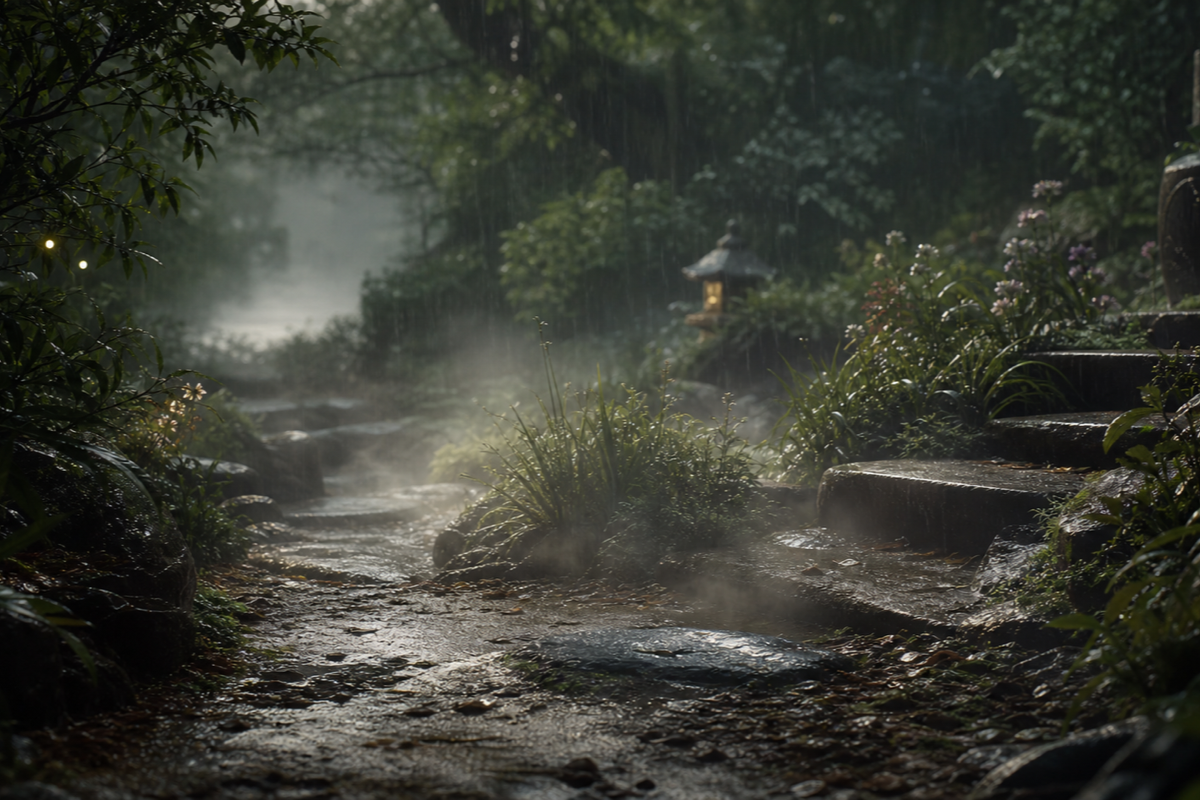
Some scents seem to arrive with a whole feeling attached to them.
Fresh bread can make a room feel safer. Pine can make the air feel cleaner. And rain, especially after a dry stretch, can make the whole world smell newly alive.
Most people know exactly what that scent is, even if they do not know its name. It rises from sidewalks, gardens, dry soil, tree roots, and fields the moment rain begins to fall. It can feel earthy, cool, soft, and strangely comforting all at once. For many people, it is one of the most beloved smells in nature.
That scent is often called petrichor.
And like many of nature's most beautiful small details, it turns out to have both a scientific explanation and an emotional power that science alone does not quite contain.
Rain smells good for real chemical reasons, but it also feels meaningful because of what it suggests: relief, freshness, release, cooling air, and the sense that something tired has finally been softened.
If you enjoy reflective nature pieces that sit between science and wonder, such as The Language of Weather: How Animals Predict What We Miss or The Magic of the Moon: Lunar Myths and Mysteries, petrichor belongs comfortably in that same thoughtful space.
What Petrichor Means
The word petrichor was created by scientists in the 1960s to describe the pleasant earthy smell that often appears when rain falls on dry ground.
It comes from Greek roots related to stone and the fluid of the gods, which is fitting for something that feels both physical and almost mythical.
Petrichor is not a single substance. It is the result of several things happening together in the environment. Soil, plant oils, moisture, microbes, and air all play a role.
This helps explain why rain does not always smell exactly the same.
Rain on a city street smells different from rain on a garden path.
Rain in summer smells different from rain in autumn.
Rain after weeks of dryness often smells stronger than rain during an already wet season.
Petrichor changes with place, season, and surface, which is part of why it feels so alive.
The Role of Soil and Plant Oils
One of the main sources of petrichor is the natural oil released by certain plants during dry periods.
These oils can build up on soil, rocks, and other surfaces. When rain finally arrives, the impact of raindrops helps release those compounds into the air, making them easier for us to smell.
This is one reason the scent of rain often feels strongest after warm, dry weather. The landscape has been gathering the ingredients in waiting.
When the first drops hit, that waiting ends.
There is something lovely about that, even scientifically. The smell of rain is partly the smell of a landscape responding.
The Microbes Beneath the Surface
Another important part of petrichor comes from soil-dwelling bacteria.
Certain microbes in the ground produce a compound called geosmin, which has a strong earthy scent. Humans are surprisingly sensitive to geosmin, even in tiny amounts, which is why the smell of damp earth after rain can feel so vivid and recognizable.
When raindrops strike the ground, tiny bubbles can form and burst, releasing microscopic particles into the air. Those particles may carry geosmin and other compounds upward, where we breathe them in.
So the smell we love after rain is not just "wetness." It is the release of specific natural materials from the earth into the air.
That makes petrichor feel almost like a conversation between soil and sky.
Why Rain Smells Strongest After Dry Weather
Many people notice that the smell of rain seems strongest after a long dry spell.
There are a few reasons for this.
During dry periods, plant oils and other compounds have more time to collect on surfaces. Soil may also hold more of the compounds that become airborne when rain disturbs the ground. When rain finally falls, especially if it begins gently, it can release a concentrated burst of scent.
This is one reason the first rain after heat often feels so dramatic, even before the temperature changes much.
The smell arrives almost like a signal.
It tells us the air is changing, the ground is responding, and the weather has finally broken.
Why People Love the Smell of Rain So Much
The science explains how petrichor forms, but it does not fully explain why people respond to it so emotionally.
Part of the answer is association.
Rain often means cooling, relief, renewal, and a pause in harshness. In hot weather, the smell of rain may arrive before the real comfort does, which makes it feel like a promise. In dry landscapes, it can suggest life returning. In gardens, it signals softness after dust.
Memory also plays a role.
For many people, the smell of rain is tied to very specific moments: summer storms, school afternoons, open windows, wet roads, porches, gardens, and the sound of water arriving before night. A scent linked to many memories rarely stays neutral.
Petrichor is one of those smells that carries weather and feeling together.
Petrichor and the Feeling of Freshness
Rain does not only change how the world smells. It changes how the world feels.
Dust settles. Air cools. Leaves darken. Surfaces deepen in color. Sound shifts. Even familiar places can look more vivid after rain. That sensory reset may be one reason petrichor feels so satisfying. It does not come alone. It arrives as part of a whole environmental change.
The scent tells us freshness is on the way or already here.
That response may be deeply human. People often feel restored by signs that the world is renewing itself. Rain smell is one of the earliest and most intimate of those signs because it enters through breath.
Why Rain Smells Different in Different Places
Not all rain smells equally earthy.
In some places, the scent is greener and more plant-like. In others, it is dustier, warmer, sharper, or more mineral. Urban rain may mix with stone, pavement, and heat. Country rain may carry grass, leaves, bark, and soil.
This is because petrichor depends on what the rain is touching.
The local landscape shapes the fragrance.
That means the smell of rain can become part of a place's identity in the same way certain trees, flowers, or seasons can. A person may not consciously describe it that way, but they often recognize when a familiar rain smell has returned.
If you love those layered seasonal moods, you may also enjoy If the Wind Had a Personality: How Each Season Would Sound or the quiet visual wonder found in Gallery of the Stars.
Why the First Rain Feels Almost Magical
There is a reason the first drops of rain often feel more dramatic than the steady rain that follows.
The opening moment carries contrast.
Heat meets coolness.
Dryness meets moisture.
Stillness meets movement.
And the scent of petrichor often rises right at that threshold.
Threshold moments have a special power in nature. They make change noticeable. They help us feel time moving. Petrichor belongs exactly to that kind of moment. It is the scent of transition becoming real.
That may be why it feels so magical even when we know perfectly well how it works.
Understanding the process does not flatten the experience. It deepens it.
The Beauty of Small Weather Details
Petrichor is a good reminder that not all wonder comes from dramatic natural events.
Some of the most memorable parts of weather are small: a drop in temperature, a shift in bird behavior, a different color in the sky, or the smell that rises from dry ground when rain finally arrives.
These are details, but they are not unimportant.
They shape how we experience the world.
They also encourage attention. Once someone learns that the smell of rain has a name and a story, they may begin to notice weather more carefully overall. That kind of noticing is one of the quiet gifts of nature writing. It makes everyday life richer without requiring anything extravagant.
More Than Just a Pleasant Smell
Rain smells good because of plant oils, soil compounds, and microbes like the ones that produce geosmin. That is the science.
But petrichor means more than chemistry to most people.
It smells like relief.
It smells like the ground exhaling.
It smells like change arriving kindly.
And perhaps that is why so many people love it. Petrichor takes something invisible, the meeting of earth and rain, and makes it intimate enough to breathe in.
That is a beautiful kind of science.
And an even more beautiful kind of weather.