The Beauty of Seed Heads in Late-Summer Gardens
See how seed heads bring texture, movement, wildlife value, and late-season beauty to gardens after the brightest blooms have faded.
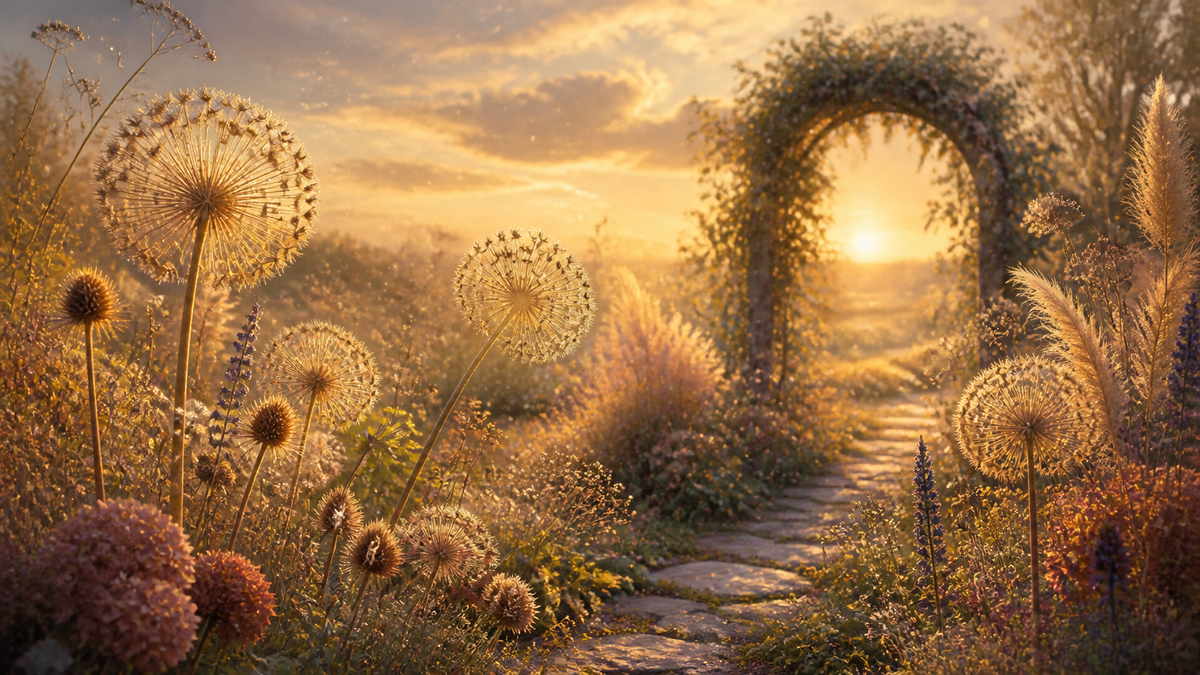
Late-summer gardens are often judged too quickly.
By this point in the season, many people stop looking as closely. Some flowers are past their peak. Petals have dropped. Colors are less fresh than they were in spring or early summer. The garden can seem as though it is winding down.
But that is not the whole story.
Late summer often introduces a different kind of beauty, and seed heads are a large part of it. They bring structure, texture, movement, and a sense of time passing through the garden in a graceful way. A border full of seed heads may not look like a spring postcard, but it can feel richer, calmer, and more alive in its own season.
What Seed Heads Add to a Garden
When a flower finishes blooming, its work is not necessarily over.
The bright petal stage may be what people notice first, but seed heads often give the plant a second visual life. Their shapes can be architectural, airy, rounded, spiky, or sculptural depending on the plant. Once the bloom has faded, the form becomes easier to see.
This changes how the garden reads.
Instead of color leading everything, shape and texture begin to matter more. That shift can make a late-season garden feel deeper and more layered than one that depends only on fresh blossoms.
Late Gardens Have a More Textured Kind of Beauty
Spring beauty often feels immediate. Late-summer beauty asks for a slightly slower eye.
Seed heads are part of that slower appeal. They catch low light differently. They hold dew. They sway in wind. They stand against fading foliage and help a planting stay visually interesting even when peak bloom has passed.
This is one reason mature gardens can be so moving.
They are no longer trying to look new. They are showing character instead.
If you enjoy noticing this quieter side of the season, Wildflowers at the Edge of Summer and What a Shade Garden Teaches Us About Slowing Down speak to that same slower, more observant mood.
Seed Heads Make the Garden Feel More Natural
A garden where every faded flower is removed immediately can look tidy, but it can also lose some of its natural rhythm.
Leaving at least some seed heads in place helps a garden feel more connected to the full life cycle of plants. You see not only bloom, but transition. Not only color, but continuation.
That matters visually, but it matters emotionally too.
A late garden with seed heads often feels more honest. It is not pretending summer lasts forever. It is showing beauty inside change.
Birds and Wildlife Benefit Too
Seed heads are not only attractive to people.
They can also support wildlife, especially birds that feed on seeds later in the season. Even when they are not being eaten, dried flower heads and stems can create shelter and small habitats for insects and other tiny garden life.
This makes seed heads more than decorative leftovers.
They are part of the garden's ecological generosity.
A planting that still offers food or shelter after flowering season is doing important work. That is one reason late-season texture can feel so satisfying. It often reflects continued usefulness, not just visual persistence.
If you like seeing beauty and ecology together, How Garden Spiders Build Webs and Help the Garden and How Frogs Tell Us a Wetland Is Alive belong naturally beside this subject.
Wind Becomes Part of the Design
One of the most beautiful things about seed heads is how well they work with movement.
Fresh flowers often catch attention through color. Seed heads catch attention through motion. A breeze moving through grasses and dried flower forms can make the whole garden feel alive in a quieter, more atmospheric way.
That is especially lovely in late summer, when the season already feels a little more reflective. The movement of seed heads can soften the garden without making it empty. They create rhythm where bright bloom is no longer doing all the work.
They Help the Garden Age Gracefully
Gardens, like seasons, need ways to age well.
Seed heads help with that. They make the transition from high summer into early autumn feel intentional rather than abrupt. Instead of the garden seeming finished the moment flowering slows, it continues offering structure and interest.
This is important for people who love seasonal gardens but do not want beauty to depend entirely on constant peak bloom.
A thoughtful late garden can still feel abundant. It simply expresses abundance differently.
Not Every Garden Needs to Be Constantly Deadheaded
Many gardeners are taught to remove every spent flower as quickly as possible, and sometimes that makes sense.
But not every plant, and not every moment in the season, needs that treatment. Leaving selected seed heads can make a planting more interesting, more wildlife-friendly, and more emotionally resonant.
This does not mean every border should become untidy. It simply means there is room for discernment.
Some flowers are most beautiful in bloom.
Others become beautiful again afterward.
Learning that difference can make gardening feel much more creative and much less rigid.
Seed Heads Suit Cottage and Naturalistic Gardens Especially Well
Seed heads are especially effective in gardens that already lean toward softness, layering, and seasonal rhythm.
They look wonderful in cottage-style spaces, meadow-inspired plantings, and borders that mix flowers with grasses or looser forms. In these settings, they help the garden feel full of memory rather than simply past its prime.
That is part of their charm.
They hold onto the shape of summer while quietly introducing the mood of the next season.
A Different Kind of Garden Charm
Some beauty is bright and immediate. Some beauty arrives later and asks more of our attention.
Seed heads belong to the second kind.
They are subtle, but not dull. They are quieter than blossoms, but often more textured. They can make a late-summer garden feel thoughtful, lived-in, and gently mature.
Perhaps that is why they stay with people who notice them. They remind us that gardens are not only about beginning, arrival, or peak color. They are also about change, continuation, and the forms beauty takes when it no longer needs to announce itself loudly.
Why They Matter at the End of Summer
Seed heads make late-summer gardens beautiful because they help us see the season more completely.
They add texture, movement, ecological value, and emotional depth. They keep the garden expressive after many petals have fallen. They show that a place can still feel full even when it has grown quieter.
And sometimes that quieter fullness is exactly what makes the end of summer so lovely.